
It’s such a real privilege to be able to visit Venice when the Art Biennale is on – the city embraces the event from every angle, absorbing the new alongside the ancient and historic, and fails to flinch at any point. And the 60th edition was as fascinating and electrifying as anticipated.
The aim was specific – to look at installation works in detail, what they were, what they said and of course, how they were constructed and displayed. I’ve been lucky enough to have visited the Biennale twice before in previous years but this visit in the autumn of 2024 had a dedicated purpose as it was part of my Arts Council England DYCP program and as such I felt I was aiming to pay particular attention to works in an exacting way. Venice provides the opportunity to see a huge range of work, a significant snapshot of art from across the globe, in one kaleidoscope of an exhibition. The Biennale offers inspiration (food for thought); affirmation (of my own work compared alongside that of many artists); and dismissal (of my own work compared alongside that of many artists!). With such an eclectic mix of artists and approaches, you know that not all work will speak to you. Not all work will illicit a positive response, but having so many artists exhibiting cheek by jowl in one of the most exquisite cities in the world, you do know that you feel excited.
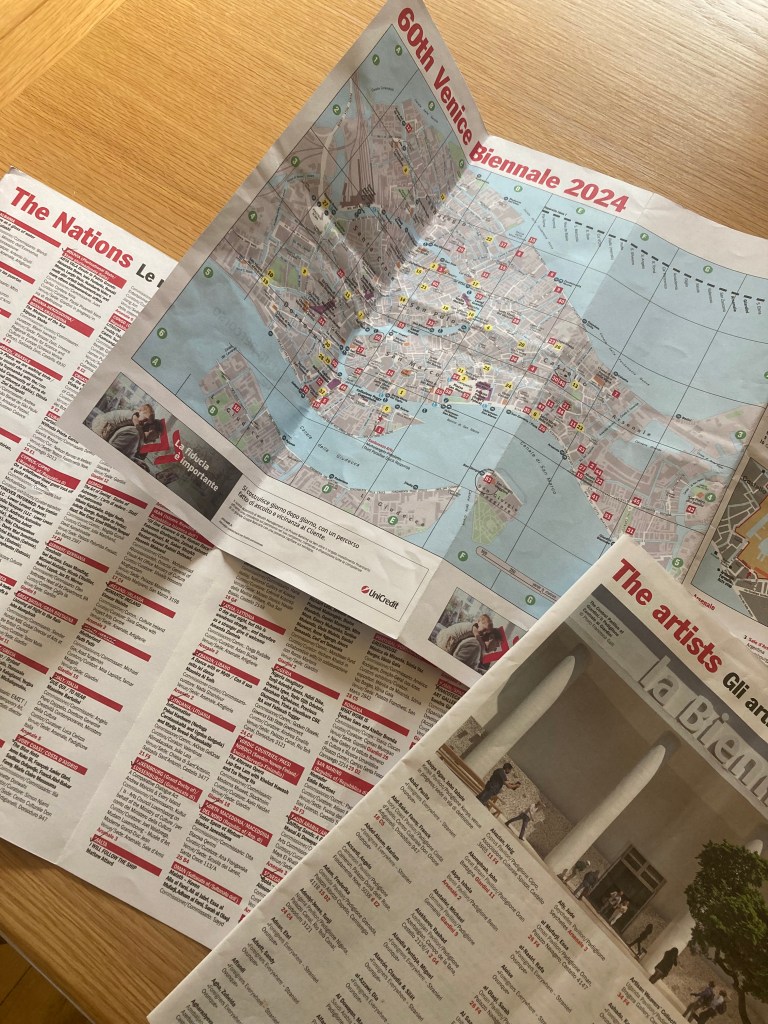
I spent three very full, long days pacing the spaces – a day in the Garden Pavilions, a day at the Arsenale, and a day scouting out work in palazzos, churches and alleyways. Of the 87 nations represented, I managed to see 60 plus 5 additional ‘collateral’ exhibitions. Lengthy days, much walking and much mind stretching but absolutely worth the focus and effort.
Broadly summarising – There were fewer paintings, more textiles and sadly, I saw only a couple of pieces using traditional printmaking techniques. Film and digital imagery were strong with an emphasis on documentary content in many installation pieces. Large scale sculptures and sculptural installations stood out in their use of space and locations as expected. Not unsurprisingly, the theme of ‘Foreigners Everywhere’ was expressed with a diversity of powerful approaches to cultural identity, geographical migration and spiritual belonging. I would suggest that a considerable volume of the work was exploring a powerful political agenda.

John Akomfrah’s ‘Listening All Night to the Rain’ in the British Pavilion was an absolute standout exhibition for me. The film installations are full of thoughtful and thought-provoking imagery that flows across the screens room after room, intersecting with itself as it narrates and challenges. Gloriously inspiring work from Akomfrah’s @smoking_dogs_films studio.


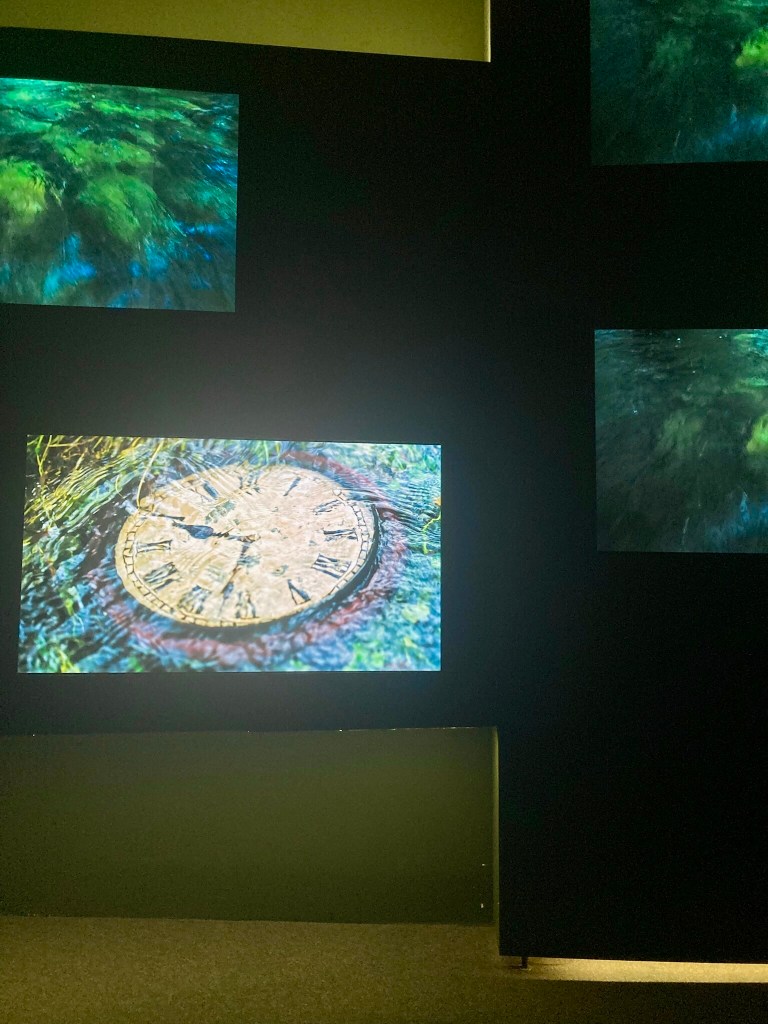
The purpose built Pavilions in the Gardens provide a gentle start into the exhibition as a whole (if there is such a thing), encased, defined spaces that lead you to the work. The instagram reel below aims to share some of the spaces.
There is such anticipation around exploring the Arsenale and the cavernous spaces never disappoint. Massimo Bartolini’s installation in the Italian Pavilion (below) is much bigger than you first realise! The enormous organ pipe rumbles your bones as the sound resonates in the huge Arsenale building. I went back several times to experience the intensity.

There was so much good work within the historic buildings with @lucianalamothe Argentina and @manaldowayan Saudi Arabia being particular favourites (see below). Large scale sculptural work and installations throughout.
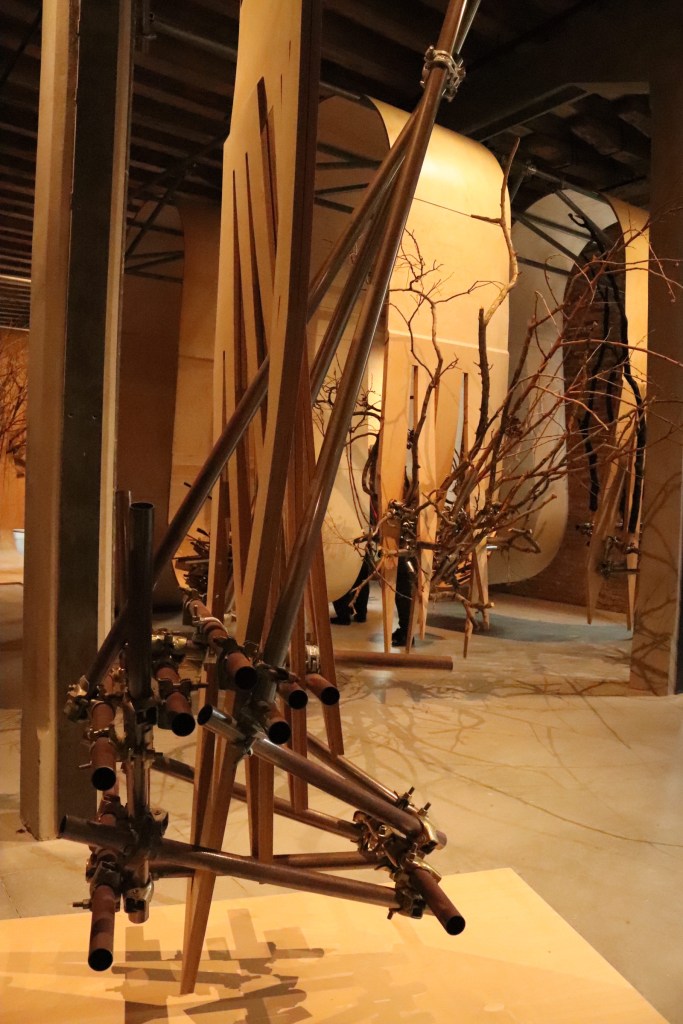

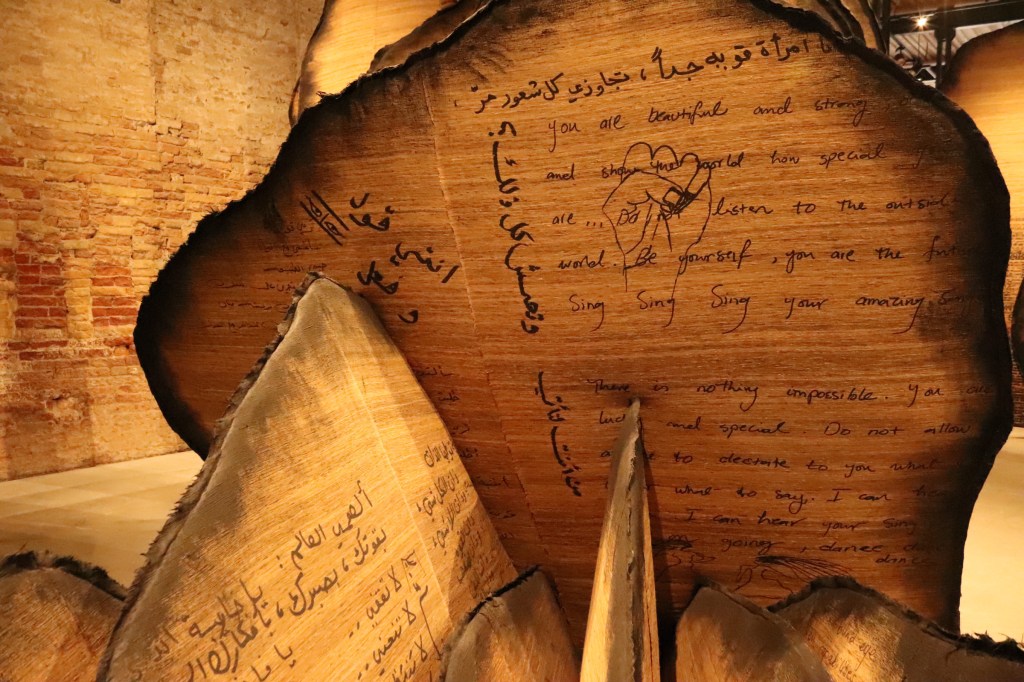
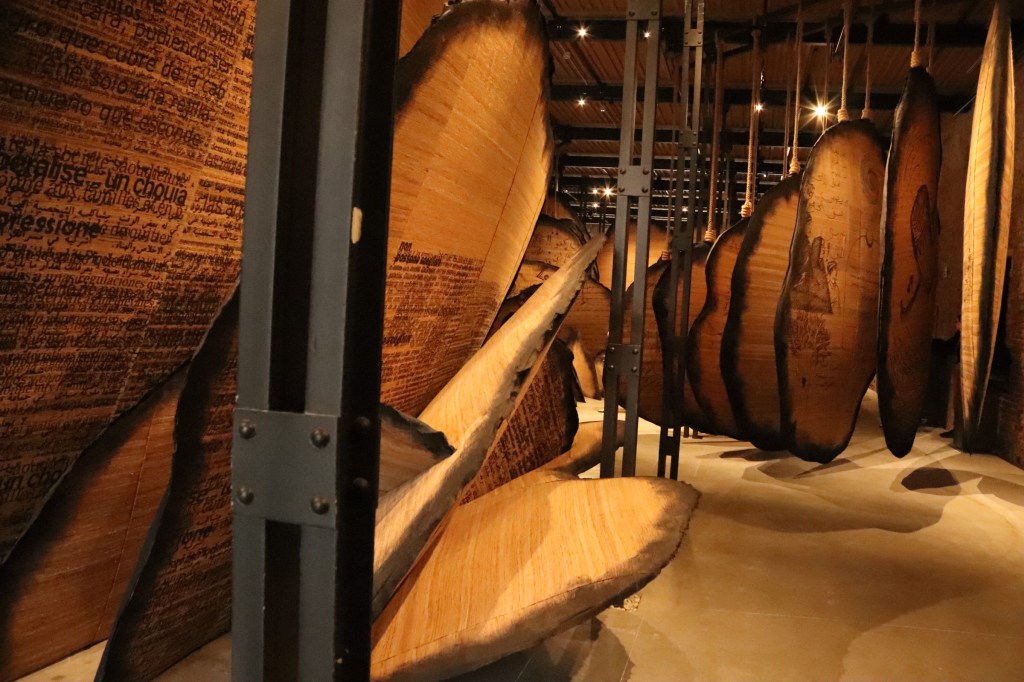
The Arsenale instagram reel below captures more of the large scale installations and sculptural work.
One of the real delights of @labiennale is scouting out the Pavilions and ‘Collateral’ Exhibitions happening across the city outside of the main gallery spaces. Grand palazzos, decaying churches, and residential houses each tucked away waiting to surprise and fascinate. Spaces that aren’t generally open to the public nor usually contain art. They offer much food for thought and provided some inspirational ideas for future work.

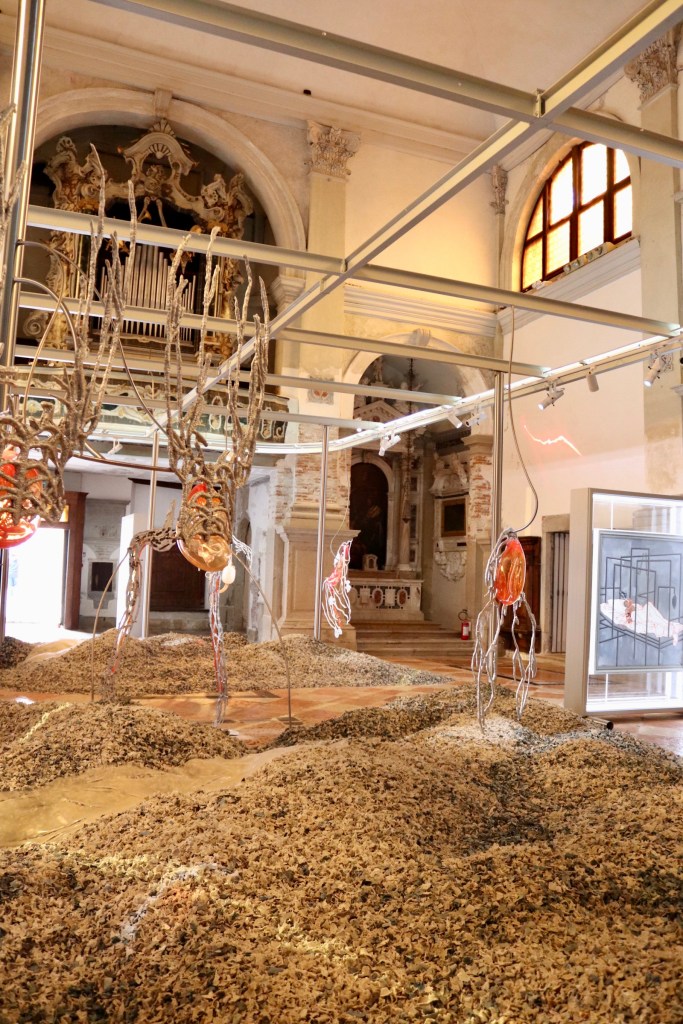

The Instagram reel below shows some of the diversity across the city spaces –
And finally (and leaving the best to last) – Sometimes you see an artist’s work that absolutely captivates your soul and you know they will stay with you for a long time. Berlinde De Bruyckere’s ‘City of Refuge III’ at the Benedictine Monastery @abbaziasangiorgiomaggiore is one such exhibition. The three new groups of work are hauntingly unsettling, in places the visceral sculptures both repulse and intrigue. The most exciting experience of the Biennale for me – and I was totally smitten.
I believe that taking dedicated time to explore other artist’s work is imperative to understanding where your own work sits. Seeing such an enormous amount of work in such a short time might be considered overwhelming yet the ‘gems’ shine through to mark one’s brain and feed the soul. Photographing, sketching, and note taking retains what’s important and are wonderful to mentally revisit exhibitions weeks or months later. The 60th Venice Biennale gave me the opportunity to look, to feel and to think… (and I’m already thinking about 2026!).


 Fran Farrar